


Why Some Players Prefer Live Casino Over Virtual Table Games
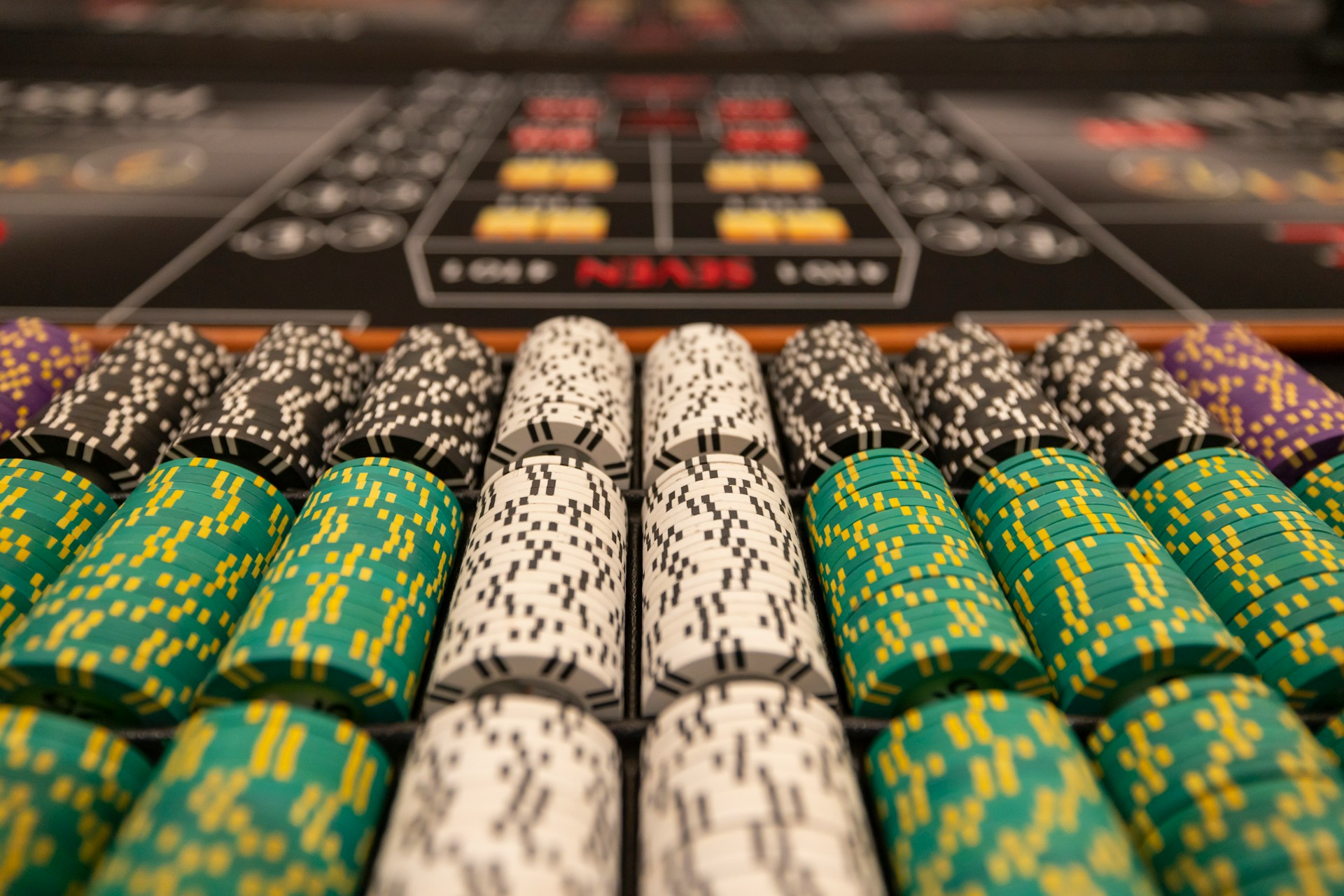
Studios have recently started upgrading their live casino spaces with brighter sets, sharper cameras, and presenters who feel closer to live stream hosts than dealers. This shift has changed how many players view online tables. The focus is no longer only on wagers. It is about the broadcast style, the visual energy, and the feeling of being part of a running show rather than a static lobby.
The Comfort of a Human Pace
Live casino rooms run on timing shaped by real people. Presenters guide each round with small pauses, natural transitions, and a tempo that mirrors a familiar hosting style. Virtual tables move faster, which works well for those who prefer instant results, but plenty of players enjoy the steadier flow of a human-led session.
Classic formats such as Live Blackjack, Live Baccarat, and Live Roulette highlight this difference clearly. Their rules are simple, so the presenter becomes the tone-setter. A soft remark about a streak or a quick reaction to the table’s rhythm adds texture that software cannot reproduce. When the atmosphere settles, the game feels more like entertainment than a rapid sequence of clicks.
Visuals That Feel Like a Real Set
Modern live studios resemble compact television stages. Lighting teams set the scene, cameras shift angles with smooth cuts, and background designs often use rich colors or subtle patterns that look crisp on high-resolution screens.
Even without game show props, the visual depth is striking. A roulette wheel under studio lighting or a card table framed by warm tones creates a sense of place that virtual tables rarely match. Software visuals can be clean and efficient, but they operate in a fixed perspective. A studio changes the feeling entirely, offering movement, texture, and a mild sense of theatre.
Interaction That Feels Casual and Familiar
Presenters speak with a tone similar to what viewers expect from studio hosts or popular streamers. The chat window brings in short comments, and the host may acknowledge a few of them. This small loop of interaction turns a solitary session into something more social.
You can see this clearly in titles like Lightning Roulette and Lightning Baccarat, where the visuals carry energy, but the presenter shapes the overall mood. Interaction stays simple, never overwhelming. It creates quick sparks of spontaneity. A smile, a light remark, or a brief reaction fills the quiet moments that software-based tables leave untouched.
A Format Shaped by Modern Entertainment Habits
People spend hours watching live streams, highlight reels, and short-form creator content. Live online casino productions echo that structure. They blend traditional gameplay with the pacing of a broadcast, which makes the experience feel familiar and current.
Rounds are clear and predictable, yet the presence of a host introduces natural variation. That balance appeals to players who enjoy entertainment formats that feel live even when viewed on a phone or laptop. It also gives each session a bit of personality without disrupting the flow.
The ability to join for a few rounds or sit through a longer run feels easy and flexible, similar to dropping into a live feed at any point.
A Sense of Event, Even on a Quiet Evening
One of the reasons live tables continue to grow is the small sense of event they create. Good lighting, a steady presenter, and shifting camera angles generate a moment that feels set apart from the rest of the day. It is not dramatic. It is simply pleasant.
Virtual tables still excel in speed and precision made possible by RNG. Many players enjoy that efficiency. But they seldom cultivate the same shared presence. A live studio, even in its simplest form, signals that something is happening right now. That atmosphere draws people in naturally, whether the room is busy or quiet.
In the end, the appeal comes down to mood. The combination of human pacing, polished visuals, casual interaction, and broadcast-style flow offers a form of digital entertainment that resonates with how people already enjoy live content in many other parts of their daily media habits.