


The Unseen Habits That Keep College Athletes Performing at Their Best

Image from Freepik
When people talk about college athletics, the conversation usually centers on game film, strength programs, recruiting pipelines, and coaching decisions. These are the visible components of performance, the elements that show up in box scores and highlight reels. What gets far less attention are the daily habits that quietly shape how athletes feel, recover, and stay available over the course of a long season.
Life for a college athlete is fast-moving and crowded. Days are split between classes, practices, travel, meetings, and social obligations. Shared spaces are unavoidable, locker rooms, training facilities, buses, dorms, and weight rooms are used by dozens of people every day. In that environment, small routines matter. Something as basic as having cleaning wipes on hand to deal with equipment, surfaces, or shared gear isn’t about neatness; it’s about keeping daily friction low so athletes can focus on performance instead of disruption.
At the collegiate level, success often comes down to how well programs manage the margins.
Why Availability Is the Real Competitive Advantage
Talent wins games, but availability sustains seasons. Coaches frequently say that the best ability is availability, and they’re not wrong. A roster can be deep and skilled, but if players are consistently sidelined by illness, minor infections, or preventable issues, performance suffers.
College athletes operate in close quarters. Locker rooms are humid, gear is reused, and travel schedules compress recovery time. These conditions don’t just test endurance; they test systems. When small problems compound, they can turn into missed practices or lost games.
That’s why many programs emphasize consistency over intensity. The goal is not to eliminate risk entirely, but to manage it intelligently through daily habits that reduce avoidable setbacks.
Shared Spaces Create Shared Responsibility
Unlike professional athletes, college players have limited control over their environments. They don’t have private locker rooms or individualized facilities. Everything is shared, from training tables to meeting rooms to buses on road trips.
This reality creates a different kind of discipline. Athletes are expected to take responsibility not only for themselves, but for the condition of the spaces they use. Respecting shared environments becomes part of team culture, reinforced subtly rather than formally.
Teams that maintain clean, orderly facilities tend to operate more smoothly overall. There’s less distraction, fewer complaints, and fewer interruptions to routine. These aren’t dramatic advantages, but over the course of a season, they add up.
The Mental Side of Physical Spaces
Performance isn’t just physical. It’s psychological. Athletes move constantly between high-focus environments, classrooms, gyms, arenas, and the quality of those environments affects mental state.
Sports psychologists have long noted that cluttered or poorly maintained spaces increase cognitive load. When athletes enter a locker room or training area that feels chaotic, it takes longer to settle into focus. Conversely, orderly spaces help signal readiness and control.
A 2024 review published by the American College of Sports Medicine highlighted that environmental stability plays a measurable role in perceived readiness and stress levels among collegiate athletes, particularly during high-travel periods of the season. The takeaway was simple: predictable, well-maintained environments support consistent performance.
Hygiene as a Performance Habit, Not a Chore
Hygiene routines are often framed as obligations, things athletes “have to do.” In reality, the most successful programs treat them as performance habits, no different from hydration or stretching.
This reframing matters. When hygiene is connected to availability and recovery, athletes are more likely to internalize it. It becomes part of preparation rather than an afterthought.
Importantly, these habits don’t require elaborate systems. They rely on accessibility and repetition. When basic tools are readily available, compliance increases without enforcement.
Travel Amplifies Small Issues
College seasons are travel-heavy. Bus rides, hotel stays, neutral-site games, and back-to-back road trips compress schedules and reduce margin for error. Travel disrupts sleep, nutrition, and routine, which makes athletes more vulnerable to small problems escalating.
Teams that travel well tend to plan for details. They streamline packing, establish consistent schedules, and reduce unnecessary stressors. Attention to shared spaces during travel, buses, locker rooms, hotel common areas, plays a role in that stability.
When athletes return from road trips feeling relatively normal rather than depleted, it’s often because those details were handled well.
Culture Shows Up in the Smallest Behaviors
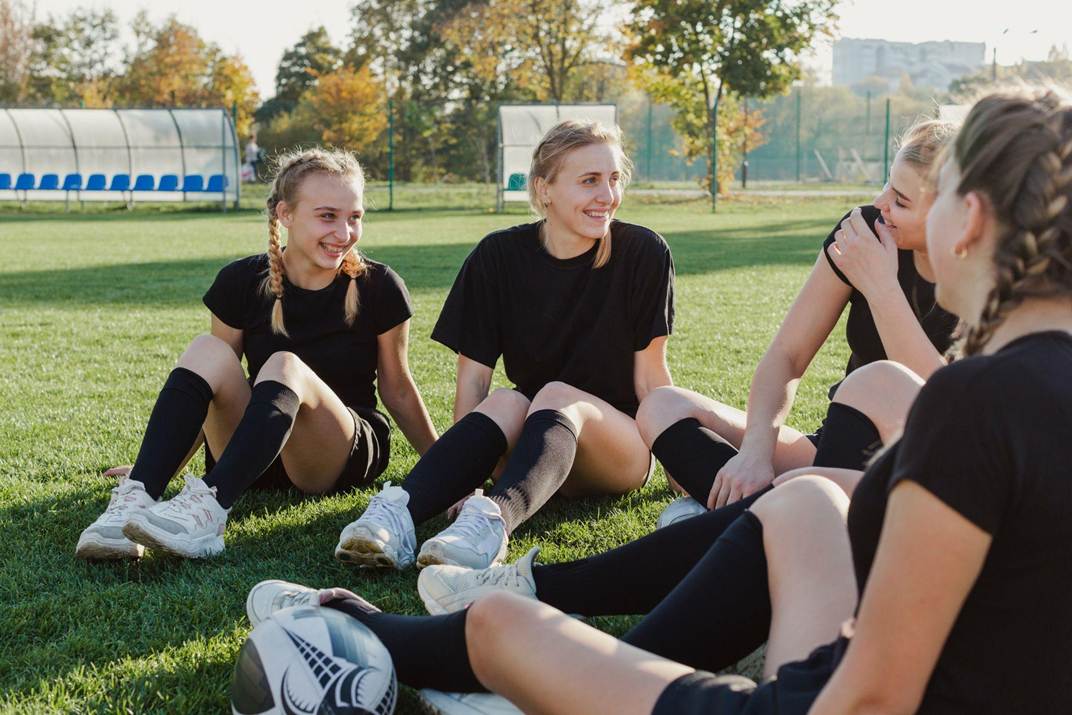
Image from Freepik
Team culture isn’t built through speeches. It’s built through what gets normalized. How players treat facilities, how they handle shared responsibility, and how they respond to minor inconveniences all reflect deeper values.
Programs that emphasize accountability at the smallest level tend to execute better under pressure. Athletes who are accustomed to taking care of details are more likely to handle game situations with composure. This isn’t accidental. It’s learned behavior reinforced over time.
Health, Consistency, and the Long Season
College seasons are long. Between preseason conditioning, conference play, and postseason tournaments, athletes are asked to sustain performance for months. Consistency becomes more important than peak output.
Preventing disruptions, missed practices, minor illnesses, avoidable downtime, supports that consistency. The fewer interruptions an athlete experiences, the easier it is to maintain rhythm.
According to NCAA sports medicine guidance updated in 2024, programs that emphasize preventive habits and daily recovery practices report lower rates of non-contact issues that sideline athletes during the season. Prevention, once again, proves more effective than reaction.
Why Coaches Care About the Invisible Work
Coaches notice patterns. They know which players are consistently available, prepared, and adaptable. Often, those players are also the ones who manage the less visible aspects of daily life well.
This isn’t about perfection. It’s about reliability. Athletes who handle the small things tend to handle big moments better too. At the team level, this reliability creates trust. Coaches can plan rotations, practices, and game strategies with greater confidence when fewer variables are left unmanaged.
Preparing Athletes for Life Beyond College
One overlooked benefit of these habits is their relevance beyond sports. College athletics is, for most players, a temporary chapter. The habits they develop, however, carry forward.
Managing shared spaces, respecting routines, and understanding how small behaviors affect group outcomes are skills that translate directly into professional and personal life. In that sense, the invisible work athletes do daily is part of their education.
Performance Is Built in the Margins
College sports often celebrate moments, buzzer beaters, rivalry wins, tournament runs. Those moments are built on foundations that rarely make headlines. Daily habits, shared responsibility, and attention to small details create environments where performance can emerge consistently. They don’t guarantee wins, but they reduce unnecessary losses.
In a setting as demanding as college athletics, that difference matters. Sometimes, what keeps athletes at their best isn’t what happens under the lights, but what happens quietly, every day, in the spaces in between.